Column · @troydjkq380
How a General Dentist in Aurora Helps You Keep Your Smile Looking Its Best
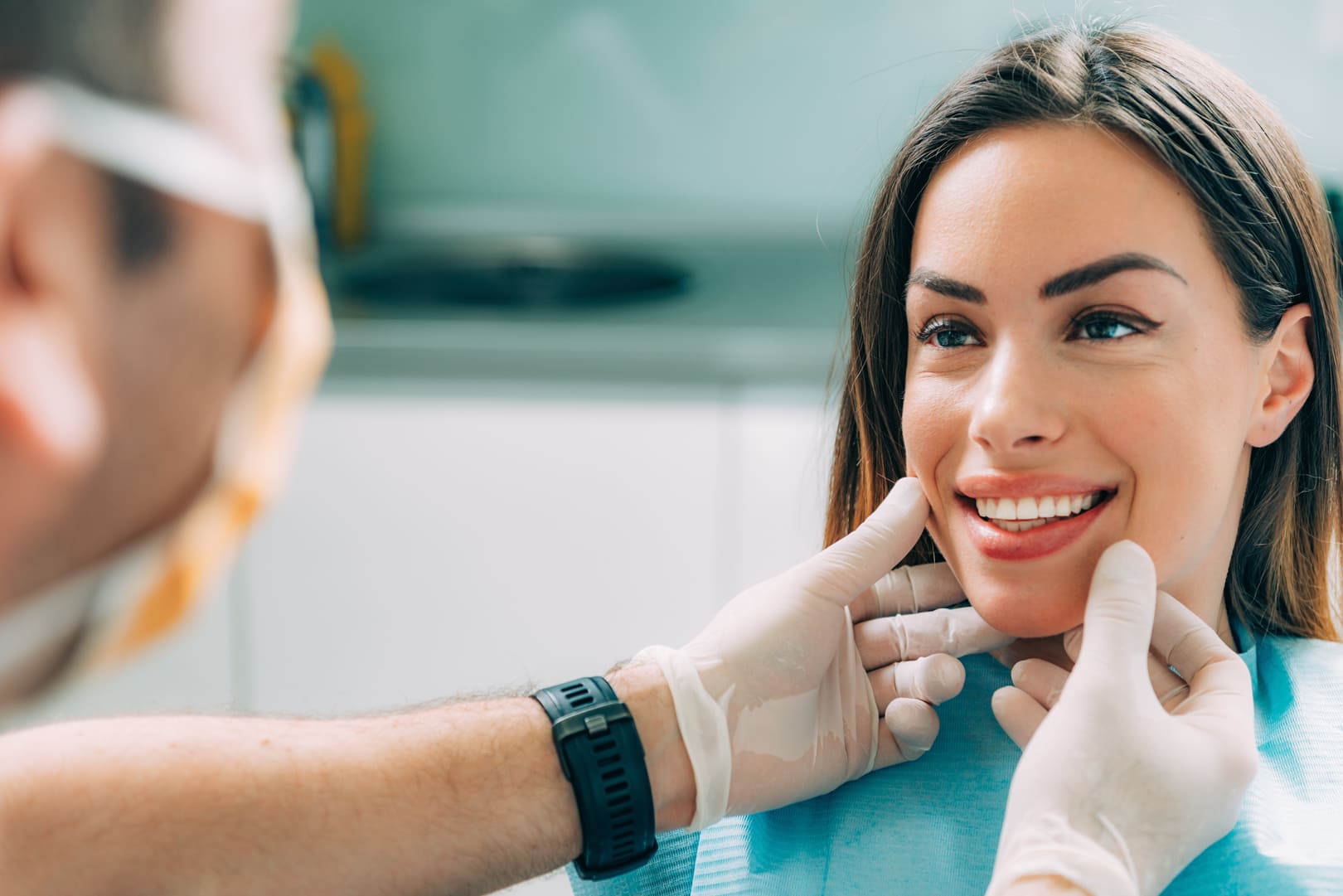
A healthy smile rarely happens by accident. It is usually the result of steady habits, timely dental care, and a relationship with a provider who notices small changes before they become larger problems. For many people, that provider is a general dentist, the professional who handles everything from routine cleanings to cavity treatment, gum evaluations, and guidance on day-to-day care.
If you are looking for a General Dentist Aurora residents can rely on, it helps to understand what that role really involves. General dentistry is not only about fixing teeth when they hurt. It is about preserving appearance, function, and comfort over time. A good dentist pays attention to the way your teeth look, how they fit together, how your gums support them, and what your daily habits may be doing beneath the surface.
People often think of a nice smile in cosmetic terms alone, bright teeth, even edges, no visible staining. Those things matter, of course. But a smile that looks good year after year is almost always built on health first. Teeth that are free of decay, gums that are stable, and bite patterns that do not create excessive wear tend to look better naturally and need fewer dramatic interventions later.
The connection between health and appearance
One of the most common misunderstandings in dentistry is the belief that appearance and oral health sit in separate categories. In real practice, they overlap constantly. Staining can be related to diet, tobacco use, dry mouth, or old restorations. Teeth that appear shorter may be worn down from grinding. Gums that look uneven may be reacting to inflammation, brushing habits, or natural anatomy. A chip at the edge of a front tooth may seem cosmetic, but sometimes it points to bite stress that can damage other teeth as well.
That is why a general dentist starts by looking at the whole picture. During an exam, the dentist is not only checking for cavities. They are also evaluating gum condition, enamel wear, old fillings, plaque retention areas, and subtle shifts in tooth position. In many cases, the issue a patient sees in the mirror is only the visible part of a broader pattern.
A person might come in asking for whitening because their smile looks dull. On examination, the bigger concern could be hardened tartar near the gumline, dehydration from mouth breathing, or dark margins around older dental work. If the dentist only focused on whitening, the result would be incomplete. If they address the underlying issues first, the smile often improves more than the patient expected.
Preventive care does more than prevent cavities
Routine visits are the least glamorous part of dental care, but they often make the biggest difference in long-term appearance. Professional cleanings remove deposits that brushing cannot. Exams catch changes while they are still manageable. X-rays, taken at appropriate intervals, can reveal decay between teeth or below the surface before it leads to a visible breakdown.
This matters for aesthetics because untreated small problems rarely stay small. A tiny cavity near the front can turn into edge discoloration, then into a fracture. Mild gum inflammation can become recession, exposing darker root surfaces and changing the look of the smile. A rough, failing filling can stain around the margins and make one tooth stand out in the wrong way.
Many patients are surprised by how much fresher and brighter their teeth look after a thorough cleaning alone. Surface stains from coffee, tea, red wine, and certain foods can collect gradually, so people often do not notice the change until those deposits are removed. It is one of the simplest examples of how general dentistry supports appearance without moving into overt cosmetic treatment.
In a typical Aurora practice, preventive care also reflects local realities. Dry winter air, seasonal sinus issues, and lifestyle habits can all affect oral tissues. Patients who breathe through their mouth at night often show more dryness and gum irritation. Those who sip acidic drinks throughout the day may present with enamel erosion. A general dentist who sees these patterns regularly can offer advice that fits the patient’s actual environment, not generic instructions from a pamphlet.
Why professional cleanings matter even if you brush well
Good brushing and flossing help, but home care has limits. Plaque is soft at first, then hardens into calculus that adheres tightly to the teeth. Once that happens, even careful brushing will not remove it. That buildup makes teeth look duller and creates rough surfaces where more plaque can collect.
Cleanings also help in less obvious ways. Polishing smooths certain external stains, which can make teeth look clearer. Removing plaque around the gums often reduces puffiness and redness, which can make a smile appear healthier within days. In patients with mild bleeding, the visual improvement after proper cleaning and better home care can be dramatic, even though no cosmetic procedure was performed.
There is also a practical side. Teeth that feel clean tend to motivate better habits. People are more likely to keep up with brushing and flossing when their mouth feels fresh and they can see the difference. That behavior loop matters more than most people realize.
A general dentist watches for wear, grinding, and bite problems
One of the clearest signs of an experienced dentist is attention to wear patterns. Teeth can lose their shape slowly enough that patients barely notice. Edges flatten, tiny chips form, and enamel thins. Over time, the smile can start to look older, even if the teeth are technically still intact.
Grinding and clenching are common drivers. Some patients know they do it because they wake with jaw tension or have been told they grind at night. Others have no idea until a dentist points out the clues, polished wear facets, notches near the gumline, or repeated fractures in fillings. Stress often plays a role, but so can bite alignment and sleep issues.
When a general dentist identifies these patterns early, they can often protect the smile with conservative steps. A custom night guard may reduce further wear. Bite adjustments may help in selected cases. Changing the shape of a rough or chipped edge early can prevent a larger fracture later. This kind of care may not look dramatic from the outside, but it is exactly how smiles stay attractive over decades instead of needing extensive reconstruction later.
I have seen patients in their thirties with enamel wear more typical of someone much older, and I have also seen older adults with remarkably youthful-looking teeth because their bite was stable and they maintained regular care. Age matters less than people think. Habits, anatomy, and consistency often matter more.
Gum health shapes the way your smile looks
People tend to focus on the teeth themselves, but gums frame the smile. If the gums are swollen, receding, or uneven, even bright teeth can look less healthy. General dentists spend a great deal of time monitoring gums because changes there can alter appearance and comfort at the same time.
Early gum disease is often painless. A patient may only notice occasional bleeding while brushing, or perhaps a little tenderness. Yet even in that early phase, the smile can begin to change. The gums may look shiny or puffy. The spaces between teeth may appear darker. Inflammation can make the gumline look less crisp.
When managed promptly with professional cleaning, improved home care, and follow-up, these changes often settle down well. If neglected, gum problems can progress to recession or bone loss. Then the effects become more visible and more difficult to reverse. Teeth can look longer, roots may show, and dark triangles can form between teeth where tissue support has receded.
A General Dentist Aurora patients trust will usually track gum measurements over time, not just glance and move on. That record helps reveal whether a site is stable or quietly worsening. From the patient’s perspective, this may feel routine. Clinically, it is one of the most important ways to preserve the look of the smile.
Restorations that blend in and hold up
Most adults need some form of dental repair at some point, whether it is a filling, a crown, bonding, or replacement of older work. The quality of these restorations affects both appearance and longevity. A well-done filling should not just stop decay. It should fit comfortably, match the tooth reasonably well, and support normal function without creating plaque traps or bite interference.
Older restorations often tell a story. Silver fillings can darken the surrounding tooth over time. Worn white fillings may discolor at the edges. Crowns that once matched well can stand out if the adjacent natural teeth have changed color or if the gumline has shifted. None of this means prior treatment was poor, just that dentistry lives in a demanding environment and materials age.
A thoughtful general dentist does not automatically replace everything old. Sometimes a restoration is still sound and should be left alone. Sometimes replacing one visible filling can noticeably improve the smile. Judgment matters. Over-treating is not good care, but under-treating obvious breakdown is not good care either.
When front teeth need repair, subtle decisions make a big difference. Shade selection, texture, translucency, and edge shape all influence whether a restoration disappears into the smile or catches the eye. In skilled hands, small changes can be remarkably effective. A tiny chip repaired properly can restore symmetry so naturally that even close friends may not notice anything was done.
Whitening has its place, but timing matters
Teeth whitening is one of the most requested ways to improve a smile, and for good reason. It is relatively conservative and can make a person look more rested and polished. But whitening works best when it is part of a plan rather than a reflex.
A dentist usually wants to make sure the mouth is healthy first. Cavities, gum irritation, exposed roots, or failing restorations can make whitening uncomfortable or lead to an uneven result. Cleanings are often recommended before whitening because removing surface buildup allows the whitening process to work more predictably.
It is also important to know what whitening can and cannot do. It can brighten natural tooth structure, but it does not change the color of crowns, fillings, or veneers. If a patient has visible dental work in the smile zone, that needs to be part of the conversation. Otherwise, the natural teeth may lighten while the restorations stay the same, creating a mismatched look.
A realistic discussion often includes factors like sensitivity, expected shade change, and maintenance. Heavy coffee or tea drinkers may need occasional touch-ups. People with naturally darker or more translucent enamel may not reach the same shade as someone else, even with excellent compliance. Honest guidance here saves disappointment later.
Small cosmetic concerns often start with general dentistry
Not every smile concern requires a cosmetic dentist in the narrow sense. Many of the issues people want addressed fall squarely within general dentistry. Rough edges, minor chips, plaque-related staining, uneven wear, old visible fillings, and mild gum inflammation are all common examples.
A patient may say, “I just want my teeth to look cleaner and more even.” That can sometimes be achieved with a cleaning, a bit of bonding, replacement of a discolored filling, and a night guard to prevent future damage. No veneers, no major makeover, just careful everyday dentistry done well.
This is one reason many patients start with a general dentist rather than chasing a specific procedure. A good evaluation helps distinguish between what is necessary, what is optional, and what is best postponed. It also helps patients spend wisely. There is no point investing in cosmetic changes if active grinding, decay, or gum problems will undermine them.
The habits that make the biggest visible difference
Most people ask some version of the same question at least once: what actually keeps teeth looking good between visits? The answer is less exotic than social media suggests. Fancy products have their place, but fundamentals still do the heavy lifting.
Here are the habits that tend to matter most:
- Brush thoroughly twice a day with a soft-bristled brush and fluoride toothpaste.
- Clean between the teeth daily, whether with floss, picks, or another tool your dentist recommends.
- Limit constant sipping of sugary or acidic drinks, especially between meals.
- Keep regular dental visits so buildup, wear, or early decay do not linger unnoticed.
- Use a night guard if your dentist sees signs of grinding or clenching.
Patients sometimes want a perfect product recommendation, but technique and consistency usually matter more than the brand name. A person using an ordinary toothbrush well will often do better than someone using a premium device inconsistently or too aggressively.
Children, teens, and adults all need something slightly different
The role of a general dentist changes with life stage. For children, much of the work centers on building healthy habits, checking development, protecting erupting teeth, and helping kids feel comfortable in the chair. A child who learns early that dental care is routine rather than frightening has a better chance of carrying good habits into adulthood.
For teenagers, appearance often becomes more important. This is the age when orthodontic concerns, whitening questions, sports guards, and diet habits all come into play. Teens may also consume more sports drinks, soda, or energy drinks than parents realize, and those habits can affect enamel surprisingly quickly.
Adults tend to bring a different set of concerns. Old dental work needs maintenance. Stress-related clenching becomes more common. Gum recession may begin to show. Busy schedules can lead people to postpone care until something hurts, which is rarely ideal for keeping a smile at its best.
Older adults often face a blend of restorative and preventive priorities. Dry mouth from medications is common and can increase cavity risk. Existing crowns and bridges require monitoring. The goal remains the same, preserve comfort, function, and a natural-looking smile, but the path there becomes more individualized.
What to expect from a quality visit
A strong dental visit should feel thorough, not rushed. The dentist should listen to what the patient actually notices, whether that is sensitivity, staining, a change in shape, or simply a sense that the smile does not look as good as it used to. The exam should connect those concerns to findings in the mouth, then translate them into practical options.
Good dental care also involves explaining trade-offs. Whitening may improve color but can increase temporary sensitivity. Bonding is conservative and affordable for small chips, but it may stain or wear faster than porcelain. Replacing old fillings can refresh appearance, but unnecessary replacement risks removing healthy tooth structure. The right answer depends on the tooth, the bite, the budget, and the patient’s priorities.
When patients understand those variables, they tend to make better decisions and feel better about them later. Dentistry works best as a partnership, not a one-sided lecture.
Signs it may be time to book an appointment
People often wait for pain, but cosmetic and preventive issues usually speak up in quieter ways first. A smile may not look as bright as it General Dentist Aurora aspenwooddental.com once did. One tooth may seem darker than the others. A rough edge may catch on the lip. The gums may bleed or look puffy. Food may begin trapping in a spot where it never used to. These are not necessarily emergencies, but they are worth evaluating.
A useful rule is simple: if you can see a change, there is a good chance your dentist can identify the reason for it. Sometimes the fix is straightforward. Sometimes it reveals a deeper pattern that is easier to address now than later.
Common reasons people seek help include:
- Persistent staining or yellowing that does not improve with normal brushing
- Chipped, worn, or uneven front teeth
- Bleeding gums, recession, or puffiness around the gumline
- Old fillings or crowns that look dark, rough, or mismatched
- Sensitivity, jaw tension, or signs of grinding
None of these automatically points to major treatment. Often they are early indicators, and early care is usually simpler, less expensive, and more conservative.
Why local continuity matters
There is real value in seeing the same dental office over time. A dentist who knows your history can compare what they see today with what was present two years ago, or five. That perspective helps them catch gradual wear, subtle movement, recurring trouble spots, and changes in gum support that a one-time visit might miss.
For patients seeking a General Dentist Aurora offers many choices, but continuity should weigh heavily in the decision. Convenience matters, of course. So do office hours, insurance participation, and personal comfort. Yet the ongoing relationship often matters most for preserving a smile. Teeth and gums change slowly, and a provider who tracks those changes carefully is in a better position to protect both health and appearance.
This long view also leads to more measured care. Dentists who know your mouth well are often better at deciding when to monitor and when to intervene. That balance is important. Conservative dentistry does not mean ignoring problems. It means treating what needs treatment, preserving what is healthy, and planning ahead so your smile keeps looking like your own.
Keeping your smile looking its best is usually a series of small decisions
The best-looking smiles are not always the whitest or most uniform. Often, they are simply healthy, clean, balanced, and well maintained. They reflect habits, maintenance, and timely care more than dramatic procedures. A general dentist helps guide those small decisions, when to clean, when to repair, when to protect, when to watch, and when to act.
That steady guidance is easy to overlook because it does not always produce instant before-and-after photos. What it does produce is more valuable in the long run: fewer crises, stronger teeth, healthier gums, and a smile that continues to look natural and well cared for through every stage of life.
For anyone hoping to maintain or improve their smile, that is the real contribution of general dentistry. It is not just about treating problems. It is about helping your mouth stay healthy enough, stable enough, and attractive enough that your smile keeps serving you well, day after day, year after year.
Aspenwood Dental Associates and Colorado Dental Implant Center
Address: 2900 S Peoria St Ste C, Aurora, CO 80014
Phone number: +13037314037
FAQ About General Dentist Aurora
What is meant by general dentistry?
General dentistry refers to the primary, foundational tier of oral healthcare, focused on the prevention, diagnosis, and treatment of conditions affecting the teeth, gums, and jaw. General dentists serve as a patient's main, long-term dental care provider—much like a primary care physician.
What is general dentistry and orthodontics?
General dentistry and orthodontics are two specialized branches of dental care. General dentistry serves as your primary care for overall oral health, focusing on routine cleanings, fillings, and disease prevention. Orthodontics is a specialized field focused entirely on diagnosing and correcting misaligned teeth and jaw structures using braces or clear aligners.
What are type 3 dental services?
Type 3 dental services typically include major restorative treatments that repair or replace damaged or missing teeth. These services are more complex and costly than preventive or basic dental care. Common examples of type 3 dental services include: Dental crowns.